
What Is Paeonol Used for in Skincare?
Paeonol is a defined phenolic compound found in peony root bark and other plants. It is not the same ingredient as paeoniflorin, a different peony-derived compound. Earlier versions of this article mixed the two names, so the evidence and guidance below refer only to paeonol.
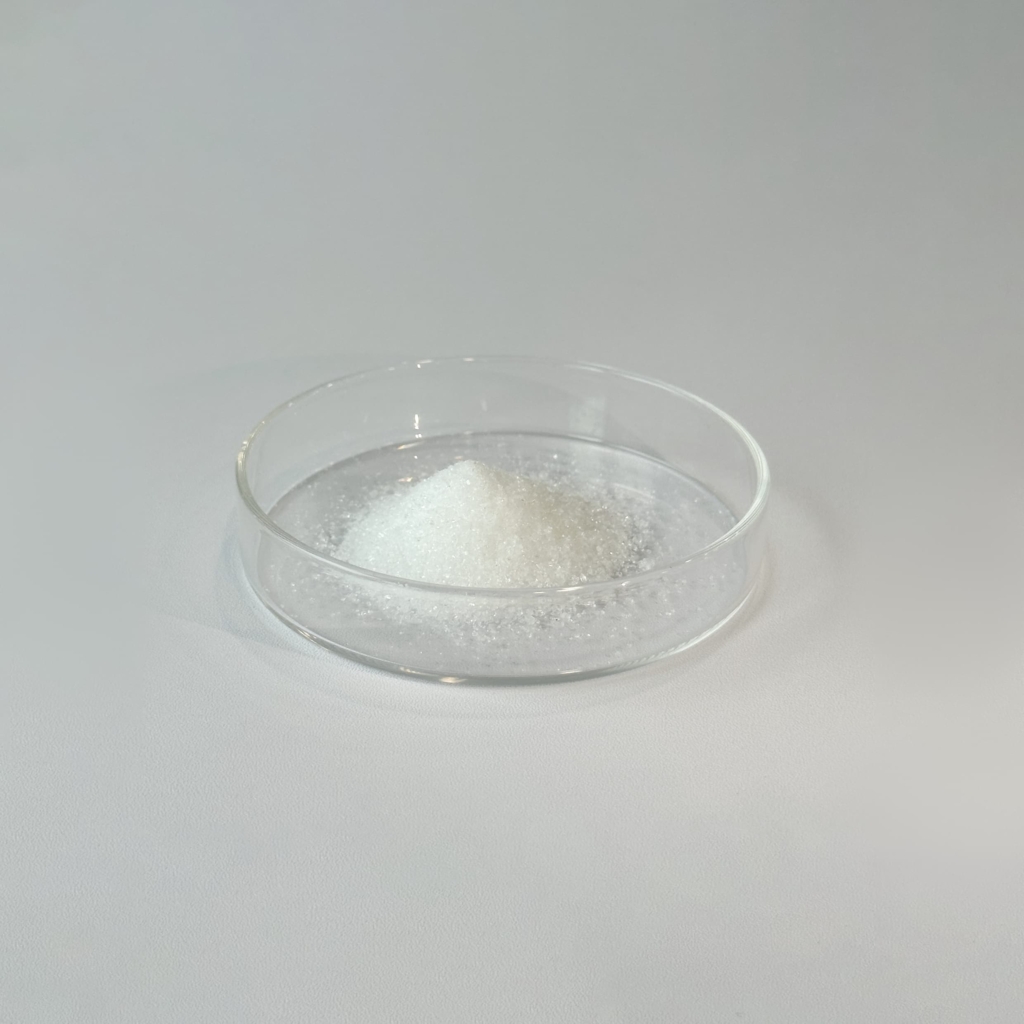
Paeonol identity
| Item | Detail |
|---|---|
| Compound | Paeonol |
| CAS number | 552-41-0 |
| Molecular formula | C9H10O3 |
| Different compound | Paeoniflorin, CAS 23180-57-6 |
These identities can be checked in PubChem’s paeonol record and its separate paeoniflorin record. A peony extract may contain multiple constituents; the botanical source alone does not establish the content of either compound.
What does skin research show?
Researchers have investigated paeonol in cell and animal models of UV-related skin stress. In one study, paeonol reduced several inflammatory signals in cultured skin cells and in mouse skin exposed to solar UV. Another study reported effects on markers of UVB-related photoaging in hairless mice. These are useful early findings, but they do not establish that every paeonol cosmetic reduces redness, repairs the barrier or prevents photoaging in people.
See the original solar UV inflammation study and UVB photoaging study for methods and limitations. Claims for a finished skincare product need evidence from that formula at its intended use level. If your brief focuses on uneven tone, compare this evidence with the studies in our 4-Butylresorcinol formulation guide.
Formulation and buyer checks
Before choosing a paeonol ingredient, ask the supplier whether it is purified paeonol or a botanical extract and request the corresponding specification, COA, TDS and SDS. Confirm identity, assay, impurities, solubility and the appropriate regulatory status for your target market. Check dissolution, color, odor, packaging and stability in the complete formula rather than assuming a generic peony extract will behave the same way.
A systemic or oral half-life cannot be used to predict how long a topical cosmetic will act on skin. Product performance depends on the finished formulation, exposure and test method. Likewise, “natural” origin does not by itself establish that an ingredient is non-irritating or suitable for broken or post-procedure skin. Evaluate safety for the intended user and use conditions.
What should you ask ZLEY®?
The ZLEY® PAE paeonol product page shows the marketed grade. If you are evaluating paeonol for a cosmetic project, tell us the product format and target market and request the current grade documents and sample availability at [email protected]. This will help your team assess compatibility, safety and supportable claims before launch.