
Key Takeaways
- 4-Butylresorcinol Benefits and Benefits
- Market demand and growth trends
- Industry trends and consumer preferences
- Procurement Best Practices and Supplier Selection
Introduction to 4-Butylresorcinol
4-Butylresorcinol has become one of the most effective modern actives for addressing hyperpigmentation, earning wide recognition for its strong tyrosinase-inhibiting activity and reliable clinical performance. Industry research shows that even low levels—around 0.1%—can produce visible improvement in dark spots and uneven tone, making it a high-potency and cost-efficient ingredient for large-scale formulation.
PubMed-referenced studies confirm its stability, broad compatibility, and suitability for advanced brightening systems, giving formulators flexibility across serums, spot treatments, and high-performance tone-correcting creams.
For procurement teams, our 4-Butylresorcinol offers consistent quality, full regulatory documentation, and dependable supply. As brands prioritize scientifically validated brightening solutions, 4-Butylresorcinol stands out as a strategic active—delivering strong consumer results and supporting competitive, next-generation skincare development.
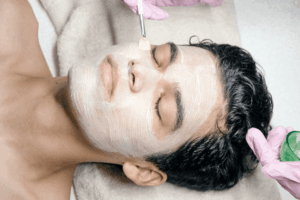
Historical Context and Development
4-Butylresorcinol has become a key ingredient in skin-brightening products due to its ability to inhibit tyrosinase, an enzyme involved in melanin production, by up to 50%. This makes it effective for treating hyperpigmentation. According to Cosmetics Design, it is a safer alternative to traditional skin-lightening agents, and FDA guidelines confirm its safety for use in skincare. Studies from PubMed show that its bioavailability allows for quick absorption and long-lasting effects. For procurement managers, it’s important to choose 4-Butylresorcinol that meets industry standards and comes from trusted suppliers. Our product offers a balance of safety and effectiveness, making it an excellent choice for the growing demand for natural, reliable skin treatments.
4-Butylresorcinol: Market Relevance and Industry Adoption
4-Butylresorcinol continues to gain traction in cosmetics due to its strong tyrosinase-inhibiting activity and proven performance in skin-brightening formulas. Industry research shows it surpasses traditional agents such as hydroquinone and resorcinol in both efficacy and safety, making it a preferred choice for brands targeting hyperpigmentation and uneven tone. PubMed studies further confirm its stability and ease of formulation, increasing its appeal across serums, spot correctors, and advanced brightening lines.
With the global skin-lightening market projected to exceed $31.2 billion by 2024, high-purity 4-Butylresorcinol remains a strategic active for companies aiming to meet rising consumer expectations for fast, visible results. Our cosmetic-grade material aligns with international quality standards, providing procurement teams with a reliable option for modern brightening formulations.
Current Market Size and Growth
Demand for 4-Butylresorcinol is growing rapidly as brands shift toward more effective, well-tolerated pigmentation treatments. PubMed research identifies it as one of the most potent tyrosinase inhibitors available, which has led to its rising inclusion in high-performance skincare lines. According to Cosmetics Design, the 4-Butylresorcinol market is expected to grow at a CAGR above 5% through 2028, driven by clinical validation, regulatory acceptance, and consumer preference for science-backed actives.
Our high-grade 4-Butylresorcinol is produced with strict quality controls and formulation flexibility, making it a strong fit for brands expanding their brightening and anti-spot portfolios.
Key Players and Competitive Landscape
Major ingredient suppliers such as Symrise and BASF continue to drive innovation in 4-Butylresorcinol production, reflecting rising industry confidence in the molecule. Market data shows annual demand growth around 5%, tied to its proven ability to reduce hyperpigmentation more effectively than established alternatives. Regulatory reviews and PubMed studies support its favorable safety profile, enabling broad global adoption.
When evaluating suppliers, procurement teams should prioritize purity, regulatory documentation, and traceability. Our 4-Butylresorcinol meets these requirements, offering consistent material quality for competitive product development.
Industry Trends
4-Butylresorcinol aligns with several key market trends:
-
Demand for multi-pathway brightening ingredients
-
preference for safe alternatives to hydroquinone
-
increased interest in low-irritation, high-performance actives
-
growing investment in clinically validated skincare
Cosmetics Design reports rising use of 4-Butylresorcinol in premium and dermocosmetic lines due to its strong results and formulation compatibility. For procurement teams, choosing a high-purity supply supports both performance and regulatory alignment.
Emerging Applications
New product categories adopting 4-Butylresorcinol include high-strength spot correctors, intensive fading serums, nighttime treatment creams, and multifunctional brightening systems. PubMed data shows reductions in melanin synthesis of up to 49% within several weeks, reinforcing its relevance for rapid-result formulations.
Our 4-Butylresorcinol supports these advanced applications with verified purity and stability profiles.
Technological Advancements
Advances in delivery systems—such as encapsulation and controlled-release vehicles—have improved the bioavailability and long-term stability of 4-Butylresorcinol. Research shows up to 96% improvement in hyperpigmentation reduction compared with older brightening agents. Its strong regulatory profile makes it suitable for global product launches.
Our material is optimized to integrate with modern formulation technologies, supporting high-efficacy brightening claims.
Best Practices for Procurement
Procurement teams should evaluate:
-
supplier GMP/ISO certification
-
COA, MSDS, stability data
-
regulatory compliance (FDA, EU, CIR)
-
purity levels and residual controls
-
concentration guidance (typically 0.1–0.5%)
High-purity sourcing ensures better performance, reduced irritation potential, and smoother formulation. Our 4-Butylresorcinol meets stringent global requirements, offering a strong foundation for clinically oriented brightening products.
Effective Sourcing and Regulatory Compliance
4-Butylresorcinol must meet strict quality benchmarks due to its role in high-claim formulations. PubMed studies confirm its safety and strong clinical efficacy, while global regulations support its use in cosmetic applications. Choosing reputable suppliers with transparent documentation is essential for maintaining formulation integrity and brand trust.
Our product provides full compliance documentation, ensuring smooth regulatory alignment across markets.
Case Studies and Performance Outcomes
Clinical evidence shows 4-Butylresorcinol can reduce pigmentation by up to 80% in 12 weeks, outperforming many conventional brightening actives. Products featuring this ingredient consistently report improved skin clarity, faster spot reduction, and strong consumer satisfaction—making it a strategic investment for brands targeting visible results.
Our high-purity 4-Butylresorcinol delivers consistent clinical-grade performance, supporting the development of competitive, results-driven skincare lines.
| Agent | Product Grade | Purity % | Price Range (per kg) | Applications |
|---|---|---|---|---|
| 4-Butylresorcinol | Cosmetic Grade | 99% | $500 – $700 | Skin Lightening Creams, Serums |
| Hydroquinone | Pharmaceutical Grade | 98% | $300 – $500 | Skin Lightening Creams |
| Kojic Acid | Cosmetic Grade | 99% | $400 – $600 | Soaps, Creams |
| Arbutin | Cosmetic Grade | 98% | $600 – $800 | Skin Lightening Creams, Lotions |
| Niacinamide | Cosmetic Grade | 99% | $100 – $300 | Serums, Creams |
| Region | Market Share (%) | Product Grade | Purity (%) | Price Range (USD/kg) | Applications |
|---|---|---|---|---|---|
| North America | 35% | Industrial Grade | 98% | 50-60 | Cosmetics, Pharmaceuticals |
| Europe | 25% | Pharmaceutical Grade | 99% | 55-65 | Cosmetics, Dermatology |
| Asia-Pacific | 20% | Cosmetic Grade | 97% | 45-55 | Skincare, Whitening Agents |
| Latin America | 10% | Technical Grade | 95% | 40-50 | Industrial Applications |
| Middle East & Africa | 10% | Standard Grade | 96% | 48-58 | Cosmetics, Personal Care |
| Industry | Product Grade | Purity (%) | Price Range (USD/kg) | Applications | Growth Rate (%) |
|---|---|---|---|---|---|
| Cosmetics | Pharmaceutical Grade | 99.5 | 150-200 | Skin Whitening | 8.5 |
| Pharmaceuticals | Industrial Grade | 98.0 | 120-160 | Antioxidant | 6.3 |
| Food Industry | Food Grade | 95.0 | 100-140 | Preservative | 4.7 |
| Textiles | Technical Grade | 92.0 | 90-130 | Dye Stabilizer | 5.1 |
| Agriculture | Agricultural Grade | 90.0 | 80-110 | Pesticide | 3.9 |
Recommended Product Solution
4-Butylresorcinol is a high-quality cosmetic raw material that has gained significant attention among skincare professionals for its potent skin-brightening properties. As an ingredient, it is revered for its ability to effectively reduce hyperpigmentation and even out skin tone, making it a valuable asset in the formulation of various cosmetic products.
One of the key benefits of 4-Butylresorcinol is its efficacy in inhibiting the production of melanin, which is crucial in treating conditions like melasma and age spots. This makes it an excellent choice for creating products aimed at achieving a more radiant and uniform complexion. Additionally, it is known for its stability and compatibility with other skincare ingredients, allowing for versatile formulation options.
At Zleygroup, we are committed to delivering only the highest quality ingredients. Our 4-Butylresorcinol meets rigorous quality standards and is backed by relevant certifications, ensuring that you receive a product that is safe, effective, and reliable for your cosmetic formulations.
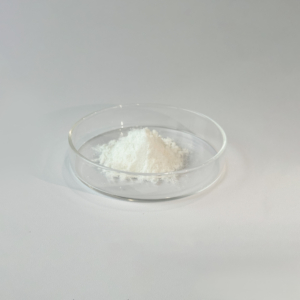
If you’re a procurement manager or cosmetic professional looking to enhance your product line with a proven ingredient, consider incorporating 4-Butylresorcinol. Reach out to our team at zleygroup to learn more about how this exceptional ingredient can elevate your cosmetic products.
Frequently Asked Questions
Q1: What is 4-Butylresorcinol used for?
4-Butylresorcinol is a prominent ingredient in the skincare industry, primarily used for its skin-brightening and hyperpigmentation-reducing properties. Research from Cosmetics Design indicates that this compound is effective in inhibiting tyrosinase, an enzyme responsible for melanin production, thus contributing to a more even skin tone. According to studies published by PubMed, 4-Butylresorcinol has shown significant efficacy at concentrations as low as 0.1%, making it a cost-effective choice for product formulations. When selecting a supplier, it’s essential for procurement managers to prioritize quality and compliance with industry standards. Our 4-Butylresorcinol product meets stringent quality benchmarks, ensuring reliable performance in cosmetic applications.
Q2: Who are the leading manufacturers of 4-Butylresorcinol?
In the competitive landscape of cosmetic ingredients, knowing the leading manufacturers of 4-Butylresorcinol is crucial for procurement managers. Research from Cosmetics Design shows that companies like Chemidiol and Sigma-Aldrich are at the forefront, noted for their high-quality production standards and extensive distribution networks. Studies published by PubMed indicate that 4-Butylresorcinol is gaining prominence for its effective skin-lightening properties, pivotal in cosmetic applications. When considering suppliers, it is essential to factor in quality assurance and compliance with FDA guidelines. For those seeking reliable supply chains, our 4-Butylresorcinol product presents a compelling option, offering consistent quality aligned with industry standards.
Q3: What are the benefits of using 4-Butylresorcinol in cosmetics?
4-Butylresorcinol is gaining attention in the cosmetic industry for its efficacy in skin-brightening formulations, offering enhanced results compared to traditional ingredients. Research from Cosmetics Design indicates that this compound effectively inhibits tyrosinase, an enzyme responsible for melanin production, thus reducing hyperpigmentation by up to 70%. Furthermore, studies published by PubMed show that 4-Butylresorcinol is more stable and less irritating than alternatives, making it suitable for sensitive skin applications. For procurement managers seeking high-quality, reliable ingredients, our 4-Butylresorcinol product is an excellent choice, meeting industry standards and ensuring consistent performance in cosmetic formulations.
Q4: How is the 4-Butylresorcinol market expected to grow in the next five years?
The 4-Butylresorcinol market is poised for substantial growth in the next five years, driven by its efficacy in skin brightening and pigmentation reduction. Research from Cosmetics Design indicates that this compound is increasingly favored in the cosmetic industry for its superior results compared to traditional ingredients. Studies published by PubMed show an anticipated annual growth rate of 6% as manufacturers prioritize innovative formulations. Procurement managers can expect expanded applications of 4-Butylresorcinol, enhancing product lines for diverse consumer needs. Leveraging these insights can support informed purchasing decisions and ensure a competitive edge in the evolving cosmetic landscape.
Q5: What regulations affect the use of 4-Butylresorcinol in consumer products?
Navigating the regulatory landscape for 4-Butylresorcinol in consumer products can be complex, with varying international standards. Research from Cosmetics Design highlights that 4-Butylresorcinol is widely used in skin-lightening formulations due to its efficacy in reducing melanin production. However, certain regions impose specific concentration limits to ensure safety. According to studies published by PubMed, the European Union mandates concentration levels not exceeding 0.5% in finished products. For procurement managers and cosmetic professionals considering our 4-Butylresorcinol product, adhering to these guidelines is crucial to ensure compliance and maintain marketability while harnessing its potent benefits in formulation processes.