

If you operate in the U.S. or European beauty market, you already know one thing:
Ingredient sourcing is no longer just procurement.
It’s risk management.
At first glance, both a trader and a professional supplier can offer the same INCI name. The spec sheet may even look identical. The price might be lower from one side.
But six months later — when a batch behaves differently, when documentation is questioned by a regulatory consultant, or when a key ingredient suddenly becomes unavailable — that’s when the difference becomes very real.
So what actually separates professional wholesale cosmetic ingredient suppliers from ordinary trading companies?
Let’s break it down from an operational perspective.
1. Infrastructure vs. Intermediary: The Structural Difference
A professional supplier is part of the supply chain infrastructure.
A trader is an intermediary.
That sounds simple, but it changes everything.
Professional suppliers typically:
- Maintain long-term partnerships with upstream manufacturers
- Conduct supplier audits
- Implement batch tracking systems
- Hold safety stock
- Provide regulatory-ready documentation
Traders, in contrast, often source reactively. They locate material once demand is confirmed and operate on thinner margins with less structural control.
When supply chains are stable, both models may function adequately.
When markets tighten or regulations shift, structural depth matters.
2. Quality Control: Paper Compliance vs. System Control
Consistency is the quiet hero of cosmetic manufacturing.
A slight change in:
- Active concentration
- Residual solvent level
- Particle size distribution
- Moisture content
Can affect:
- Stability testing results
- Sensory feel
- Emulsion behavior
- Shelf life
- Skin compatibility
Professional suppliers don’t rely solely on upstream paperwork.
They operate structured quality systems.
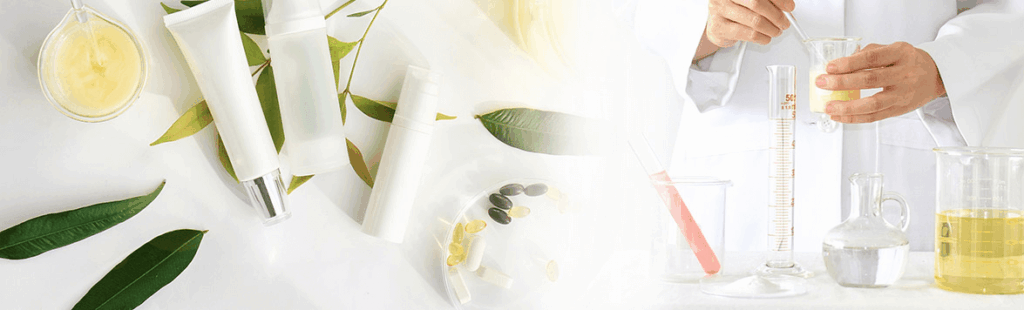
A serious wholesale cosmetic ingredient supplier typically implements:
- Incoming batch verification
- Retained sample systems
- Defined internal release protocols
- Traceable batch coding
Traders often pass along manufacturer documentation without independent verification. That model works — until something goes wrong.
For brands supplying into regulated markets, especially under evolving frameworks like the EU cosmetic regulation, traceability is not optional.
3. Regulatory Awareness: Reactive vs. Proactive Support
Regulatory pressure in Western markets has increased significantly in recent years.
Professional wholesale cosmetic ingredient suppliers monitor regulatory updates continuously. They understand that compliance is not static.
Typical support includes:
- Updated COA aligned with each shipment
- GHS-compliant SDS
- IFRA statements for fragrance materials
- Allergen declarations
- Technical Data Sheets formatted for regulatory submission
More importantly, documentation is maintained proactively — not only when requested.
A trader may provide files when asked.
A professional supplier ensures files are current before you need them.
That difference can prevent product registration delays or customs clearance issues.
4. Technical Understanding: Selling Performance, Not Just INCI Names
Let’s consider a realistic scenario.
A brand experiences instability in a niacinamide-based serum. The active itself meets specification, yet discoloration occurs after accelerated stability testing.
A professional supplier will ask:
- What is the system pH?
- Are chelating agents present?
- What is the packaging configuration?
- What other actives are interacting?
They understand formulation context.

Ordinary traders often forward technical questions upstream. That’s not inherently wrong, but it slows problem-solving and limits depth.
In fast product development cycles, speed of technical feedback directly impacts time-to-market.
5. Supply Chain Resilience: Buffering Risk Instead of Passing It On
The global supply chain over the last few years has demonstrated how fragile logistics can be.
Freight delays.
Raw material shortages.
Energy price volatility.
Geopolitical disruptions.
Professional suppliers build resilience intentionally.
They often:
- Maintain safety inventory
- Diversify manufacturing regions
- Negotiate production capacity in advance
- Communicate forecast alignment early

Traders frequently operate with minimal inventory and rely on spot sourcing. That reduces overhead but increases vulnerability.
When a key emulsifier or preservative suddenly faces shortage, a professional supplier is more likely to offer continuity or alternatives.
6. Pricing: Short-Term Savings vs. Operational Stability
It’s natural for procurement teams to focus on price.
However, the real cost of ingredient sourcing includes:
- QC rejection rates
- Production downtime
- Reformulation cycles
- Delayed product launches
- Regulatory re-submissions
Lower per-kilogram pricing does not always equal lower total cost.
Professional wholesale cosmetic ingredient suppliers price not only the material, but also the system that supports it — documentation, traceability, communication, and stability.
For brands scaling in North America or Europe, operational stability typically outweighs small price differences.
7. Sustainability and Transparency Expectations
Western markets increasingly demand ingredient transparency.
Retail partners ask about:
- Botanical sourcing origin
- Extraction processes
- Environmental footprint
- Supply chain ethics
Professional suppliers invest in traceable sourcing systems and sustainable processing methods. They understand that sustainability is becoming integrated into procurement decisions — not just marketing campaigns.
Traders may not always have visibility into upstream production practices, limiting their ability to provide detailed sourcing data.
For brands positioning within clean beauty or premium segments, that information gap matters.
8. When Does Each Model Make Sense?
There are situations where traders can be appropriate:
- Small experimental orders
- Non-critical ingredients
- Short-term spot purchases
However, for:
- Core actives
- Functional emulsifier systems
- Preservatives
- High-volume materials
- Ingredients central to brand claims
Professional wholesale cosmetic ingredient suppliers offer structural advantages that reduce long-term operational risk.
Final Perspective
The difference between professional wholesale cosmetic ingredient suppliers and ordinary traders rarely appears on a quotation sheet.
It becomes visible in:
- Stability outcomes
- Regulatory inspections
- Audit readiness
- Supply continuity
- Technical collaboration
- Long-term brand protection
In the U.S. and European cosmetic markets, where compliance standards and consumer scrutiny continue to rise, ingredient sourcing is a strategic function.
Choosing a partner with infrastructure, technical depth, and regulatory awareness is not just about securing raw materials.
It’s about securing your brand’s foundation.