

Understanding menthol crystals uses is essential for professionals involved in formulation, sourcing, and compliance. Menthol crystals are not a novelty ingredient; they are a long-established functional compound valued for sensory effects, stability, and versatility across multiple industries.
For business buyers and formulators, the question is not how menthol crystals are used, but why they remain relevant despite evolving regulations and consumer expectations. This article provides a clear, technical, and non-promotional overview of menthol crystals—what they are, where they come from, and how their properties translate into real-world industrial value.
What Are Menthol Crystals?
Origin and Natural Source
Menthol crystals are a purified form of menthol, a naturally occurring organic compound extracted primarily from peppermint oil (Mentha arvensis or Mentha piperita). The majority of commercial menthol crystals are derived from cornmint grown in regions such as India and China.
After harvesting, peppermint leaves undergo steam distillation to produce essential oil. When this oil is cooled under controlled conditions, menthol naturally crystallizes due to its relatively high melting point compared to other oil components.
Extraction and Crystallization Process
The extraction process involves:
- Steam distillation of mint leaves
- Cooling and fractional crystallization
- Mechanical separation of crystals
- Further purification (optional, depending on grade)
This method yields menthol crystals with purities ranging from 99% to 99.5% for pharmaceutical and food-grade applications.
Basic Physical and Chemical Properties
| Property | Description |
|---|---|
| Appearance | Colorless to white crystalline solid |
| Odor | Strong minty aroma |
| Melting Point | ~42–44°C |
| Solubility | Soluble in alcohols, oils; insoluble in water |
| Stability | Chemically stable under normal storage |
These properties make menthol crystals predictable and easy to incorporate into standardized formulations.
Why Industries Use Menthol Crystals
At a functional level, menthol interacts with cold-sensitive receptors in human skin and mucous membranes. This creates a cooling sensation without altering actual temperature. Beyond sensory impact, menthol crystals also offer:
- Volatility for aroma release
- Chemical consistency across batches
- Compatibility with many solvents and carriers
- Long shelf life when stored properly
These characteristics explain their wide adoption across regulated industries.
Menthol Crystals Uses in Pharmaceuticals
4
Why Menthol Is Used in Medicinal Products
In pharmaceutical formulations, menthol crystals are valued for their counterirritant, local anesthetic, and decongestant properties. They stimulate cold receptors (TRPM8), which can reduce the perception of pain or irritation.
Common pharmaceutical applications include:
- Topical analgesics (creams, gels, patches)
- Cough syrups and lozenges
- Nasal inhalers and rubs
- Anti-itch and soothing balms
Menthol does not treat underlying disease; rather, it provides symptomatic relief, which is why it remains popular in over-the-counter products.
Dosage and Safety Considerations
Typical menthol concentrations:
- Topical products: 0.1%–5%
- Oral lozenges: <10 mg per unit
- Inhalation products: carefully controlled micro-doses
According to guidance from the U.S. Food and Drug Administration, menthol is generally recognized as safe (GRAS) when used within specified limits. Over-concentration can cause skin irritation or respiratory discomfort.
Menthol Crystals Uses in Cosmetics and Skincare
4
Functional Role in Cosmetic Products
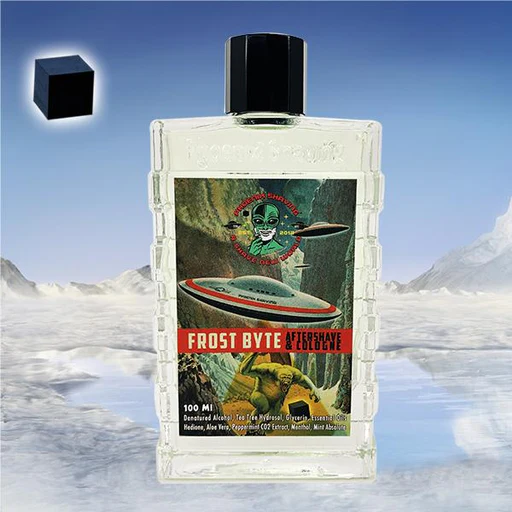
In cosmetics, menthol crystals are used for sensory modulation rather than therapeutic action. The cooling effect enhances perceived freshness and comfort, especially in:
- Aftershaves and shaving creams
- Foot care products
- Cooling gels and lotions
- Scalp treatments
Menthol also masks undesirable base odors and improves the user experience without adding greasiness.
Formulation and Regulatory Notes
In the European Union, menthol is regulated under cosmetic safety assessments aligned with guidance from the European Medicines Agency and cosmetic regulation frameworks. Formulators must consider:
- Skin sensitivity thresholds
- Cumulative exposure from multiple products
- Clear labeling for cooling or sensory effects
Menthol is typically used at low concentrations (0.05%–1%) in leave-on products.
Menthol Crystals Uses in Oral Care
4
Why Menthol Is Essential in Oral Formulations
Oral care relies heavily on menthol’s flavoring and freshness perception. Unlike artificial cooling agents, menthol provides both aroma and trigeminal stimulation.
Applications include:
- Toothpaste
- Mouthwash
- Breath fresheners
- Dental gels
Menthol enhances compliance by reinforcing the feeling of cleanliness after use.
Safety and Compliance
Menthol concentrations in oral products are tightly controlled due to ingestion risks. Food-grade or pharmaceutical-grade menthol crystals are mandatory, and suppliers must provide impurity profiles and compliance documentation.
Menthol Crystals Uses in Food and Beverages
4
Why Food Manufacturers Use Menthol
In food and beverages, menthol crystals serve as a natural flavoring compound. Their high purity allows precise dosing, making them ideal for:
- Confectionery
- Chewing gum
- Specialty beverages
- Herbal products
Menthol provides cooling without sweetness, which is valuable in sugar-reduced formulations.
Regulatory Status
Menthol is listed as GRAS by the FDA for food use when applied within established limits. However, regional regulations may vary, and food manufacturers must ensure traceability and batch consistency.
Menthol Crystals Uses in Aromatherapy
4
Functional Benefits
In aromatherapy, menthol crystals are used for their aroma intensity and volatility. They are often blended into oils or diffusers to create sensations of clarity and alertness.
While aromatherapy benefits are largely experiential, consistent crystal purity ensures predictable scent profiles for professional blending.
Industrial and Niche Applications

4
Beyond Consumer Products
Menthol crystals also play roles in:
- Chemical synthesis intermediates
- Research laboratories
- Veterinary formulations
- Tobacco and non-combustible nicotine products (where legally permitted)
In these cases, menthol’s cooling and masking properties improve usability or sensory control.
Safety, Storage, and Handling
Key Safety Considerations
- Avoid direct eye contact
- Use protective gloves during bulk handling
- Store in airtight containers away from heat
Excessive exposure may cause irritation, especially in enclosed environments.
Frequently Asked Questions About Menthol Crystals Uses
1. Are menthol crystals natural or synthetic?
Most commercial menthol crystals are naturally derived from mint oils, though synthetic menthol exists for specialized applications.
2. Why do formulators prefer crystals over liquid menthol?
Crystals offer higher purity, easier transport, and longer shelf life.
3. Can menthol crystals be used in all skin types?
They must be carefully dosed; sensitive skin formulations require lower concentrations.
4. Are menthol crystals food-safe?
Yes, when food-grade material is used within regulatory limits.
5. Do menthol crystals expire?
They have long shelf lives but can sublime if improperly stored.
6. Are menthol crystals regulated differently across regions?
Yes. Usage limits and labeling requirements vary by country and application category.