
Resorcinol Monoacetate in U.S. OTC Acne Products: What FDA Monograph M006 Actually Says
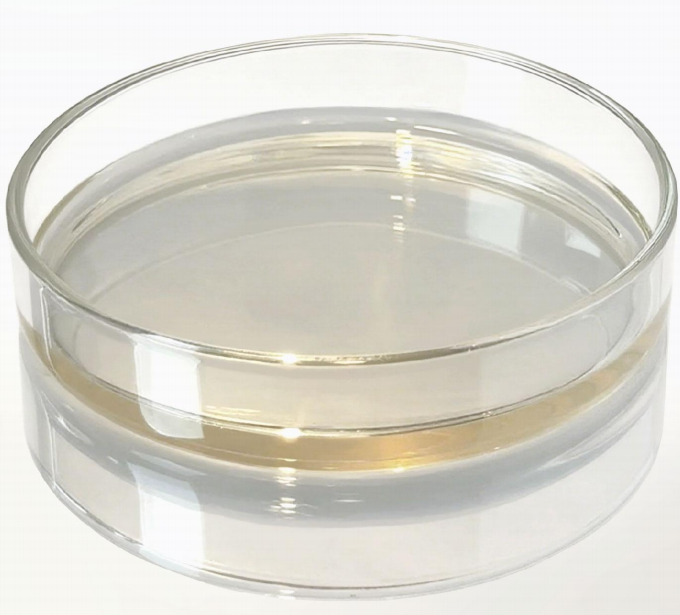
ZLEY® RA is resorcinol acetate, also called resorcinol monoacetate or acetylresorcinol (CAS 102-29-4). The names refer to the same compound, as shown in パブケム. It is different from 4-Butylresorcinol, which we discuss as a cosmetic brightening ingredient.
The U.S. OTC acne monograph requirement
FDA’s OTC Monograph M006 lists resorcinol monoacetate at 3% as an active ingredient for topical acne drug products only when combined with sulfur at 3–8%. The same monograph separately lists resorcinol at 2% with sulfur at 3–8%. These are specified combinations, not a general permission to market resorcinol monoacetate alone as an OTC acne active or to claim that any product containing it is FDA approved.
| M006 combination | Specified concentration |
|---|---|
| Resorcinol monoacetate | 3% |
| Sulfur in that combination | 3–8% |
Meeting ingredient concentrations alone is not sufficient: a finished U.S. OTC acne drug must meet the applicable monograph’s other conditions, including labeling, as well as relevant general drug requirements. Verify the current requirements for the intended product before making treatment claims.
Cosmetic ingredient or acne drug?
FDA distinguishes products by intended use and claims. A product marketed to treat acne is regulated as a drug; a cosmetic claim does not automatically make a product eligible for an OTC acne indication. FDA explains this distinction in its cosmetic-versus-drug guidance. The M006 entry also does not establish approval to treat dandruff, seborrheic dermatitis or athlete’s foot. Those are different indications with their own requirements.
Requirements outside the United States need a separate, market-specific review. A historical use level, supplier recommendation or ingredient listing should not be presented as a universal legal maximum or a completed safety assessment.
Questions for ingredient buyers
For grade-specific information, see the ZLEY® RA resorcinol acetate product page. Request the current COA, TDS and SDS and confirm identity, assay, impurities, solubility and batch specifications. Tell the ZLEY® team your target market, finished-product format and intended claims so your regulatory and formulation teams can assess the appropriate pathway. Contact [email protected] for documentation and sample availability.