

Che cos’è il tetraisopalmitato di ascorbile?, e perché è diventata una delle forme di vitamina C più apprezzate nella cosmesi moderna?
La vitamina C è da tempo considerata un ingrediente di riferimento nella cura della pelle. Tuttavia, i consumatori negli Stati Uniti e in Europa sono sempre più consapevoli dei suoi limiti, tra cui spiccano l’instabilità, l’ossidazione e l’irritazione. Questi problemi hanno spinto i chimici cosmetici a sviluppare derivati più avanzati, tra cui spicca il tetraisopalmitato di ascorbile.
Questo articolo offre una spiegazione approfondita e scientificamente fondata di Che cos’è il tetraisopalmitato di ascorbile?, come agisce sulla pelle, come si differenzia dalla vitamina C tradizionale e perché è ampiamente utilizzata nelle formulazioni di alta gamma per la cura della pelle.
Che cos’è il tetraisopalmitato di ascorbile?
Il tetraisopalmitato di ascorbile è un derivato liposolubile (lipofilo) della vitamina C ottenuta mediante esterificazione dell’acido ascorbico con quattro catene di acido palmitico. Questa modifica strutturale altera in modo significativo il comportamento della vitamina C nei prodotti per la cura della pelle e nella pelle stessa.
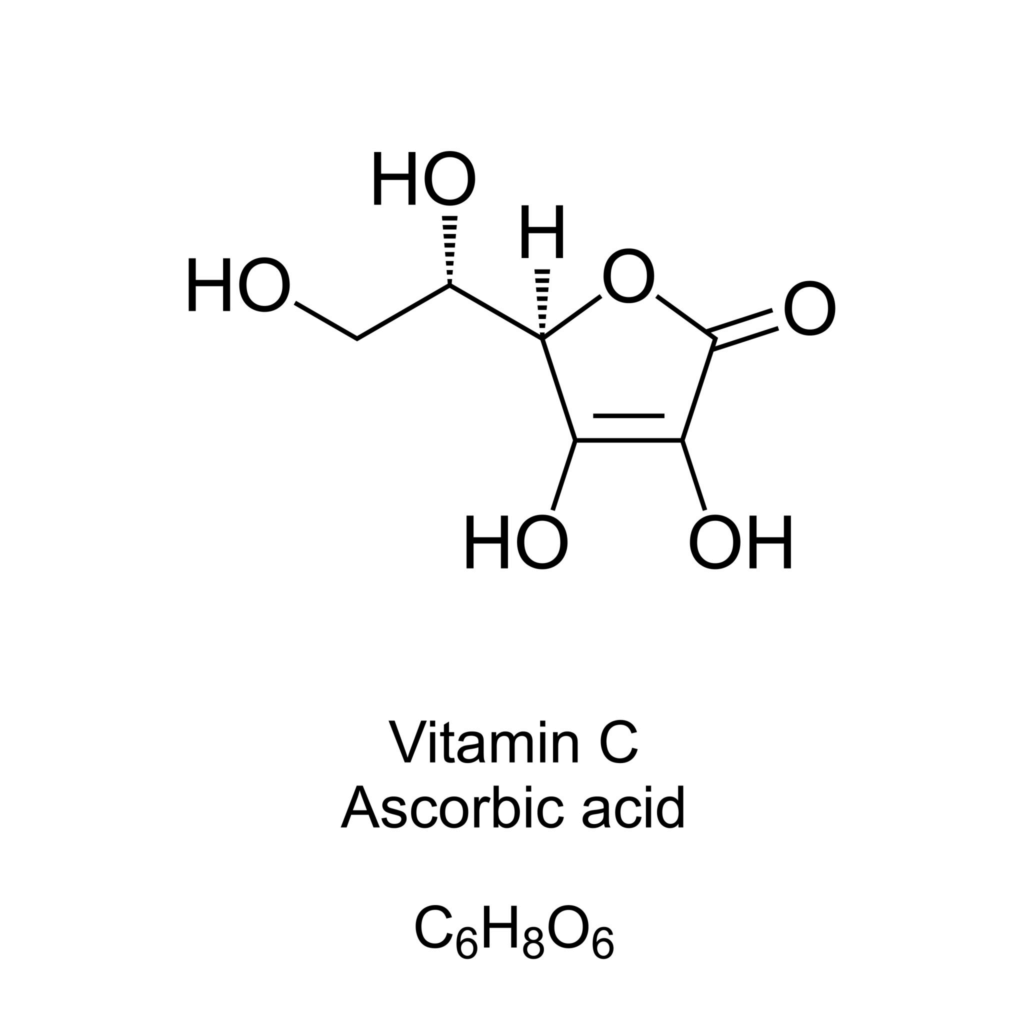
A differenza dell'acido L-ascorbico puro, che è idrosolubile e chimicamente instabile, il tetraisopalmitato di ascorbile è studiato per rimanere stabile nelle formulazioni cosmetiche e trasformarsi gradualmente in vitamina C attiva dopo l'assorbimento cutaneo.
Secondo i dati sulla sicurezza esaminati dal Cosmetic Ingredient Review (CIR), questo ingrediente è stato valutato per l'uso topico ed è considerato sicuro entro gli attuali intervalli di concentrazione previsti dalla normativa cosmetica: un fattore importante per i marchi che si rivolgono a mercati regolamentati come l'UE e il Nord America.
Perché la vitamina C tradizionale è problematica nella cura della pelle
Per capire perché il tetraisopalmitato di ascorbile sia importante, è fondamentale considerare i limiti della vitamina C pura.
Acido L-ascorbico:
- Si ossida rapidamente se esposto all’aria e alla luce
- Richiede un pH molto basso (circa 3–3,5) per rimanere stabile
- Provoca spesso bruciore, arrossamento o irritazione
Ricerche pubblicate su riviste scientifiche specializzate in cosmetologia e sottoposte a revisione tra pari hanno dimostrato che, una volta ossidata, la vitamina C perde la sua capacità antiossidante e può persino contribuire a provocare irritazioni cutanee.
Ecco perché molte risorse dedicate alla dermatologia, tra cui DermNet, sottolineano che derivati della vitamina C sono spesso più indicati per chi ha la pelle sensibile o con la barriera cutanea compromessa.
L'importanza della stabilità nelle formulazioni a base di vitamina C
La stabilità è uno dei fattori più determinanti per stabilire se un ingrediente per la cura della pelle sia effettivamente efficace.
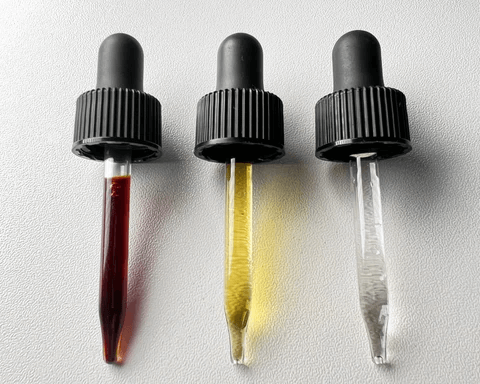
Gli studi citati nel Rivista internazionale di scienze cosmetiche sottolineare che il tetraisopalmitato di ascorbile rimane stabile molto più a lungo rispetto all’acido L-ascorbico in condizioni di conservazione normali. Ciò significa che l’ingrediente rimane attivo anche quando i consumatori lo applicano settimane — o mesi — dopo l’apertura del prodotto.
Dal punto di vista della formulazione, questa stabilità:
- Migliora la durata di conservazione
- Riduce la necessità di ricorrere a una quantità eccessiva di conservanti
- Garantisce un’efficacia costante nel tempo
Per i consumatori, ciò si traduce in risultati migliori e in un minor numero di reazioni avverse.
Vitamina C liposolubile e assorbimento cutaneo
La pelle umana è naturalmente ricca di lipidi, in particolare nello strato corneo. Ciò rende gli ingredienti liposolubili particolarmente efficaci nel penetrare lo barriera cutanea.
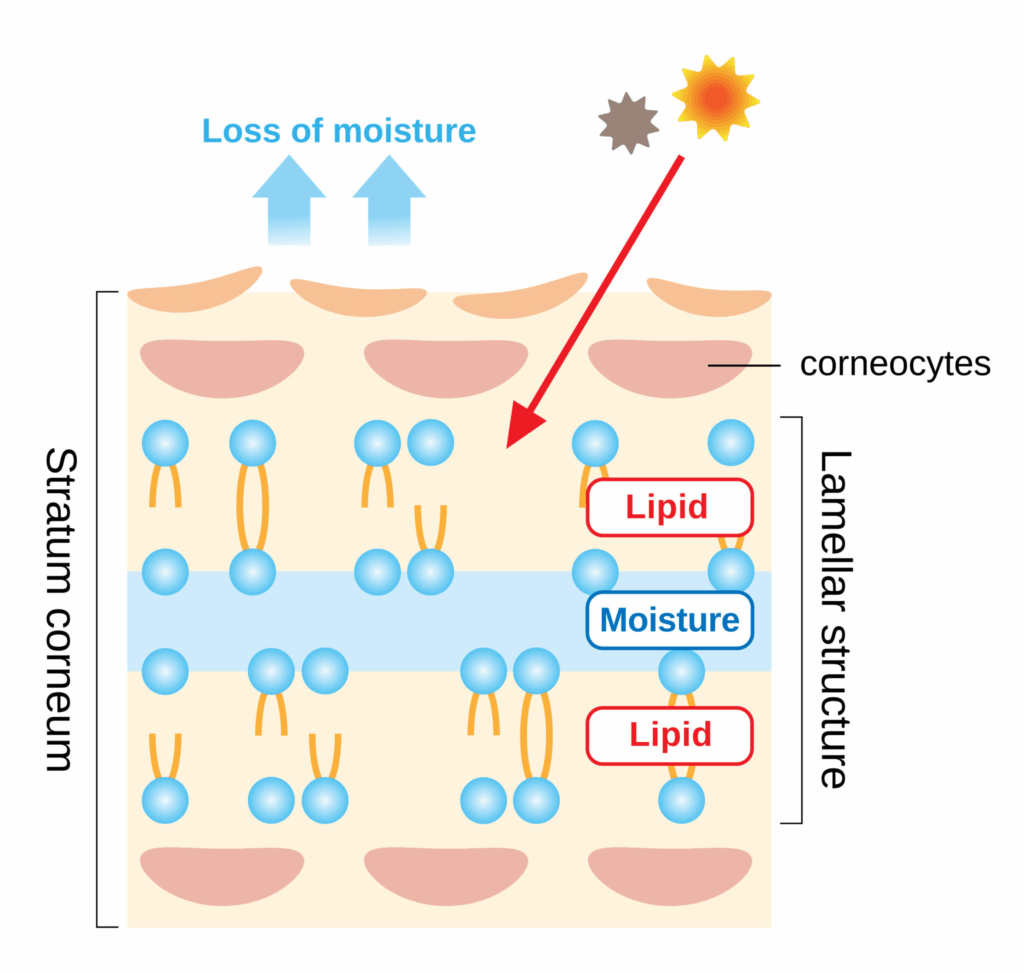
La ricerca sugli ingredienti riassunta nel Dizionario degli ingredienti di Paula’s Choice spiega che i derivati della vitamina C liposolubili possono penetrare nella pelle in modo più efficace rispetto alle forme idrosolubili, senza necessitare di un ambiente acido.
Poiché il tetraisopalmitato di ascorbile è lipofilo:
- Si integra in modo più naturale con la barriera cutanea
- Penetra più in profondità prima della conversione
- Assicura un rilascio più lento e prolungato di vitamina C
Questa conversione graduale è uno dei motivi per cui viene spesso definita “delicata ma efficace”.”
Come agisce il tetraisopalmitato di ascorbile all’interno della pelle
Una volta assorbito, il tetraisopalmitato di ascorbile viene convertito enzimaticamente in acido ascorbico libero all’interno della pelle. Ciò gli consente di svolgere le classiche funzioni della vitamina C senza esporre la superficie cutanea a un’acidità eccessiva.
La sua attività biologica comprende:
- Neutralizzazione dei radicali liberi
- A sostegno di sintesi del collagene
- Regolazione della produzione di melanina
Poiché la trasformazione avviene gradualmente, la pelle subisce minore stress ossidativo e irritazione rispetto all'applicazione diretta di vitamina C pura.
Principali benefici per la pelle del tetraisopalmitato di ascorbile
1. Difesa antiossidante
I fattori di stress ambientali, quali i raggi UV e l'inquinamento, generano radicali liberi che accelerano l'invecchiamento cutaneo. Come altre forme di vitamina C, il tetraisopalmitato di ascorbile contribuisce a neutralizzare queste molecole prima che danneggino le cellule della pelle.
2. Illuminazione della pelle e uniformità del tono
La vitamina C contribuisce a inibire la tirosinasi, un enzima coinvolto nella produzione di melanina. Con il passare del tempo, un uso costante contribuisce a migliorare l'aspetto spento della pelle, il tono non uniforme e la comparsa di macchie scure: un beneficio ampiamente trattato nella letteratura dermatologica.
3. Supporto al collagene e compattezza
La vitamina C è essenziale per la sintesi del collagene. Il tetraisopalmitato di ascorbile contribuisce a migliorare l'elasticità della pelle e a renderne la texture più liscia, rendendolo particolarmente prezioso nelle formulazioni anti-età.
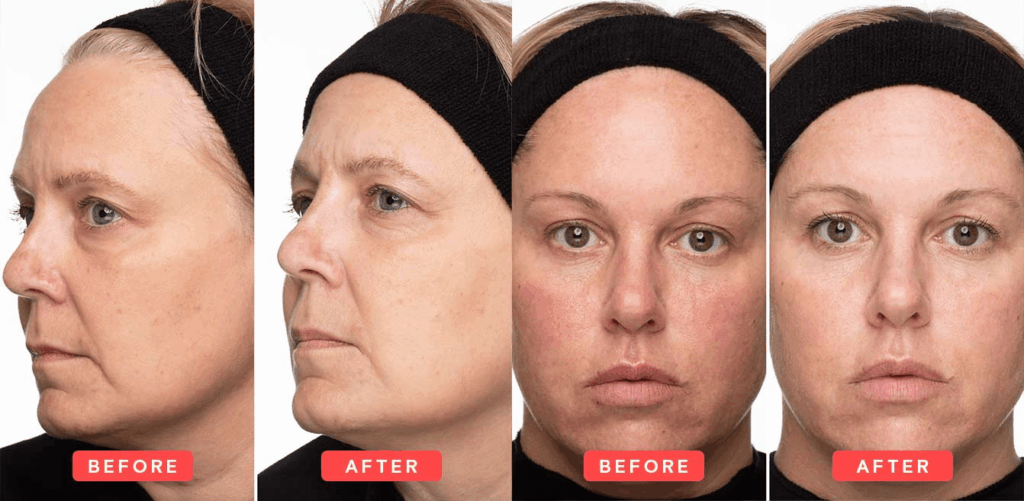
4. Migliore tollerabilità per la pelle sensibile
A differenza dell'acido L-ascorbico, questo derivato non richiede un pH basso, riducendo in modo significativo il rischio di irritazioni, arrossamenti o sensazioni di bruciore.
Tetraisopalmitato di ascorbile rispetto ad altre forme di vitamina C
| Caratteristica | Acido L-ascorbico | Fosfato di magnesio ascorbile | Tetraisopalmitato di ascorbile |
|---|---|---|---|
| Solubilità | Acqua | Acqua | Petrolio |
| Stabilità | Basso | Moderato | Molto alto |
| Dipendenza dal pH | Alto | Moderato | Nessuno |
| Rischio di irritazione | Più alto | Basso | Molto basso |
| Penetrazione cutanea | Veloce ma superficiale | Moderato | Profondo e duraturo |
Questo confronto spiega perché molti marchi di alta gamma scelgono il tetraisopalmitato di ascorbile nelle formulazioni destinate alla pelle sensibile o matura.
Dove si trova solitamente questo ingrediente
Il tetraisopalmitato di ascorbile si trova solitamente in:
- Sieri antietà
- Oli illuminanti per il viso
- Creme per la riparazione della barriera cutanea
- Crema idratante di lusso
La sua natura liposolubile lo rende particolarmente adatto per formule anidre ed emulsioni, che stanno riscuotendo sempre più successo nel settore della cura della pelle di alta gamma.
Come utilizzare i prodotti contenenti tetraisopalmitato di ascorbile
Tra le migliori pratiche figurano:
- Da usare una o due volte al giorno
- Se a base di siero, applicare prima della crema idratante
- Da abbinare a una crema solare durante l'uso diurno
Poiché è indipendente dal pH, si combina bene con ingredienti come la niacinamide, le ceramidi e l'acido ialuronico.
Il nostro approccio al tetraisopalmitato di ascorbile
Partendo dai fondamenti scientifici alla base di cos'è tetraisopalmitato di ascorbile, abbiamo sviluppato un nostro ingrediente puntando chiaramente su stabilità, purezza e prestazioni delle formulazioni nelle condizioni reali di utilizzo. Il nostro tetraisopalmitato di ascorbile viene lavorato con cura per garantire una qualità costante e un’eccellente compatibilità con i moderni sistemi di cura della pelle, dalle emulsioni alle formule anidre. Progettato per offrire i benefici della vitamina C con una maggiore tollerabilità cutanea, supporta i marchi e i formulatori alla ricerca di risultati affidabili e duraturi senza compromettere il comfort della pelle.
Considerazioni finali: vale la pena usare il tetraisopalmitato di ascorbile?
Se ti sei chiesto Che cos’è il tetraisopalmitato di ascorbile?, la risposta è chiara:
rappresenta un un approccio di nuova generazione alla cura della pelle con la vitamina C.
Grazie alla combinazione di stabilità, profonda penetrazione ed eccellente tollerabilità, il tetraisopalmitato di ascorbile offre una soluzione ai consumatori che desiderano risultati visibili senza compromettere il comfort della pelle, rendendolo un ingrediente fondamentale nella moderna cura della pelle basata sulla scienza.