

Most formulators don’t start by asking what polysorbate 80 is.
They start asking why their fragrance system turns cloudy after stability testing, or why a lotion that looked perfect in the lab begins separating after shipping.
In many of those cases, polysorbate 80 quietly becomes part of the solution.
Chemically, polysorbate 80 is known as polyoxyethylene (20) sorbitan monooleate, a non-ionic surfactant widely used across cosmetics, pharmaceuticals, and even regulated food applications. But in real formulation work, its importance has very little to do with its chemical name and everything to do with what it does inside a system that is already struggling to stay stable.
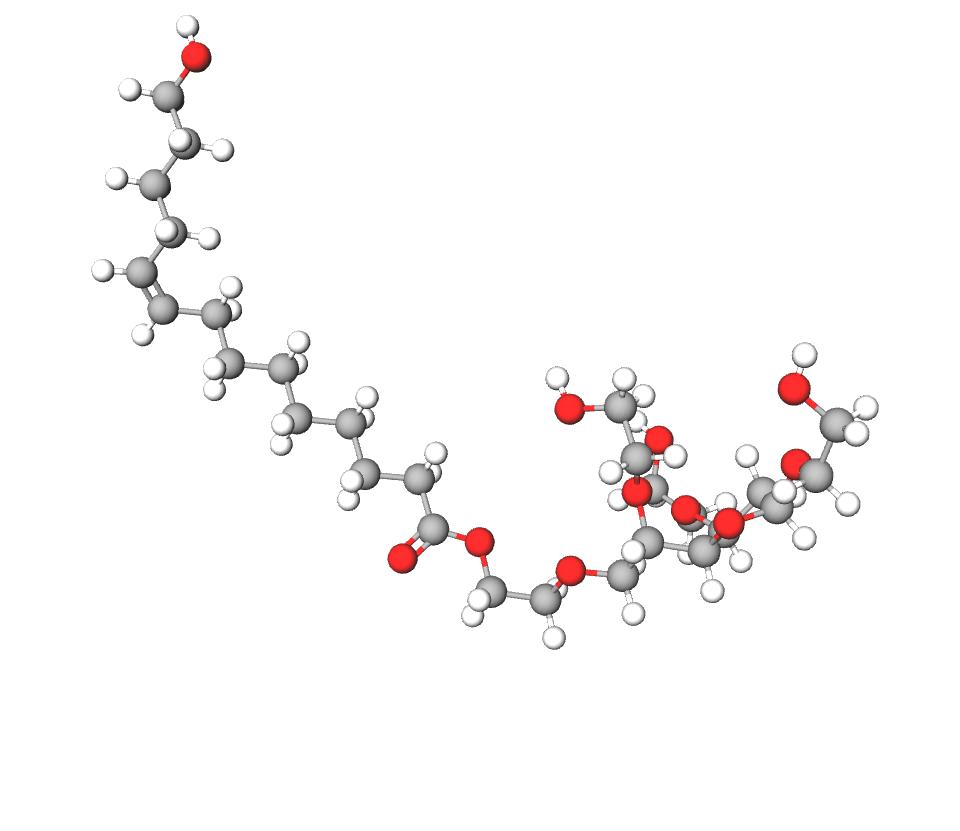
Understanding polysorbate 80 properly means looking at how it behaves in emulsions, solubilization systems, and complex oil-water interfaces—not just reading its definition on an ingredient label.
Why Polysorbate 80 Is Still Used in Modern Cosmetic Formulation
It’s easy to assume polysorbate 80 is a “legacy emulsifier” that newer ingredients should replace. In practice, experienced formulators continue using it because it solves problems that many fashionable alternatives do not.
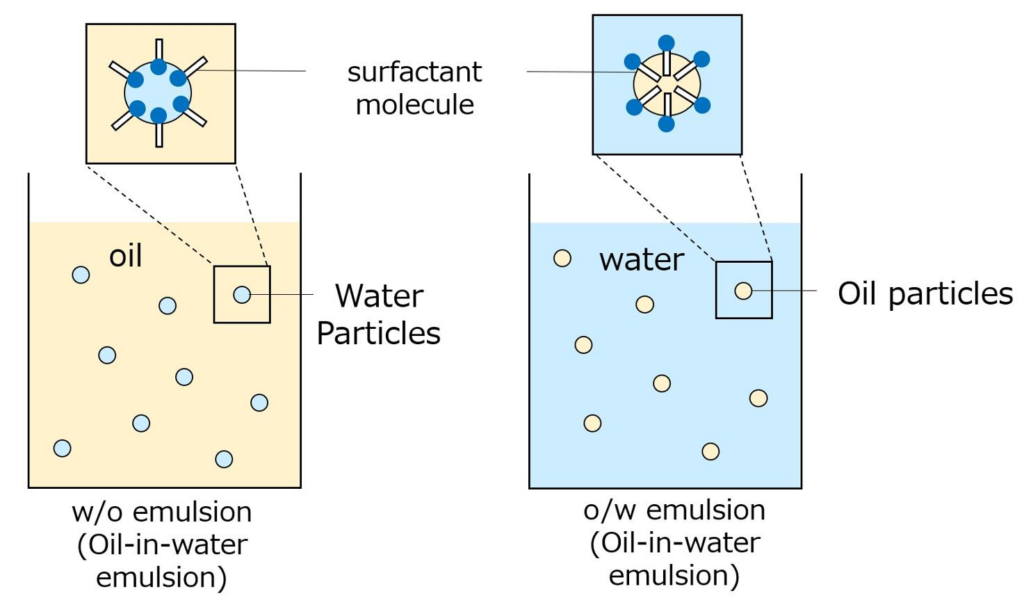
Polysorbate 80 performs especially well when a formula contains fragrance oils, essential oils, lipid-based actives, or UV filters that resist uniform dispersion in water-rich systems. Instead of acting as the main emulsifier that builds the structure of a cream, it usually works at the interface between oil and water, helping difficult ingredients remain evenly distributed without dramatically increasing viscosity or changing skin feel.
This is why it appears so often in:
micellar cleansers
makeup removers
essential-oil toners
lightweight lotions
sprayable emulsions
In these systems, clarity and long-term dispersion stability matter more than heavy structural viscosity, and that is exactly where polysorbate 80 performs reliably.
Why Formulators Rarely Use Polysorbate 80 Alone
One of the most common misunderstandings about polysorbate 80 is the idea that it functions as a standalone emulsifier for creams or lotions. In commercial formulations, that almost never happens.
Instead, polysorbate 80 usually supports a structure that already exists.
A typical oil-in-water system might already rely on glyceryl stearate and fatty alcohol structuring agents such as cetearyl alcohol to create a lamellar network that physically holds oil droplets in place. Polysorbate 80 then improves compatibility between that structure and any fragrance oils or lipophilic additives that would otherwise destabilize the interface.
Without that support role, an emulsion may look stable immediately after production but begin showing phase drift after temperature cycling or transport stress. Adding a small percentage of polysorbate 80 often reduces those risks without forcing the formulator to redesign the entire emulsifier package.
This is one reason it continues appearing in both legacy formulas and new product launches.
The Difference Between Polysorbate 80 and Polysorbate 20 in Real Formulation Work
Many comparison articles describe polysorbate 20 and polysorbate 80 as interchangeable ingredients. In practice, they are selected for different jobs.
Polysorbate 20 is usually preferred when the goal is clarity in very light fragrance systems. It performs well in transparent toners and micellar waters where only small amounts of oil need to be dispersed.
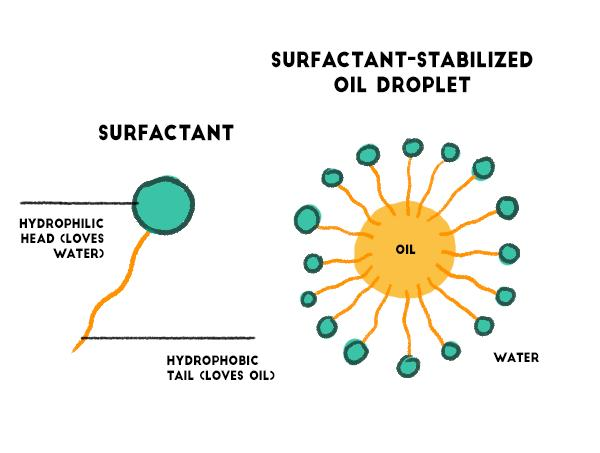
Polysorbate 80 becomes more useful when the oil phase is heavier or more complex. Essential oils, botanical lipid extracts, sunscreen boosters, and cleansing oil dispersions often exceed what polysorbate 20 can comfortably stabilize on its own. In those situations, switching to polysorbate 80 improves dispersion reliability without dramatically changing texture.
This difference comes from the fatty acid portion of the molecule, which changes how each ingredient interacts with oil-phase materials.
Where Polysorbate 80 Shows Its Strength in Cosmetic Systems
Polysorbate 80 becomes especially valuable when a formulation begins approaching the limits of what a primary emulsifier system can tolerate.
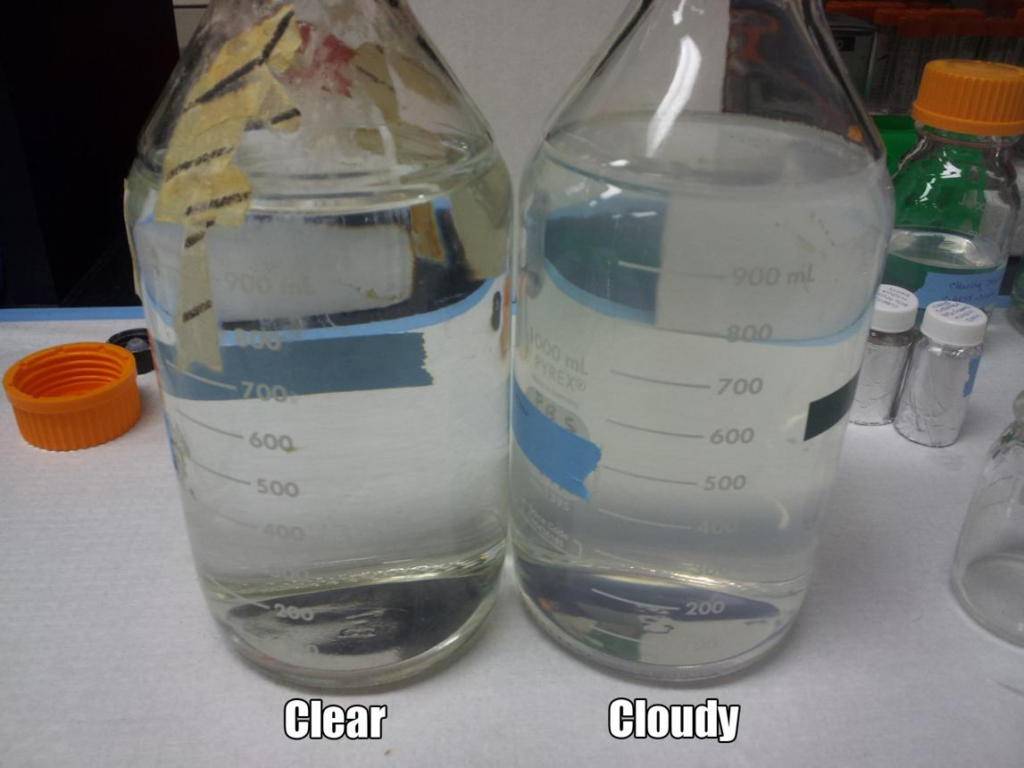
For example, fragrance loading above roughly 0.3% often introduces instability in lightweight aqueous systems. The product may remain clear during manufacturing but slowly develop turbidity during storage. Transport temperature variation makes the problem worse. Introducing polysorbate 80 at this stage frequently restores clarity and improves long-term stability without increasing viscosity or altering sensory performance.
The same pattern appears in essential-oil toners and cleansing water systems. These formulas often look deceptively simple, but they depend heavily on reliable solubilization performance to remain stable across shelf life and shipping conditions.
Because polysorbate 80 operates primarily at the interface level rather than the structural level, it can solve these issues without forcing major changes elsewhere in the formulation.
Is Polysorbate 80 Safe for Skin?
This question appears in almost every sourcing conversation, and the most useful answer is a practical one rather than a marketing statement.
Polysorbate 80 has a long history of use in cosmetic systems and is generally considered suitable within normal formulation ranges. In finished products, it is commonly used between roughly 0.2% and 5%, depending on fragrance load and system complexity.
When irritation concerns appear, they are often connected not to the ingredient itself but to oxidation during storage, impurity control issues, or instability elsewhere in the formulation. Because polysorbate 80 is an ethoxylated material, supplier quality matters more than many brands initially expect. Peroxide value, residual processing impurities, and storage stability can all influence how the ingredient behaves over time.
For this reason, experienced formulators evaluate documentation quality and batch consistency just as carefully as they evaluate price.
Why Supplier Quality Matters More Than Most Buyers Expect
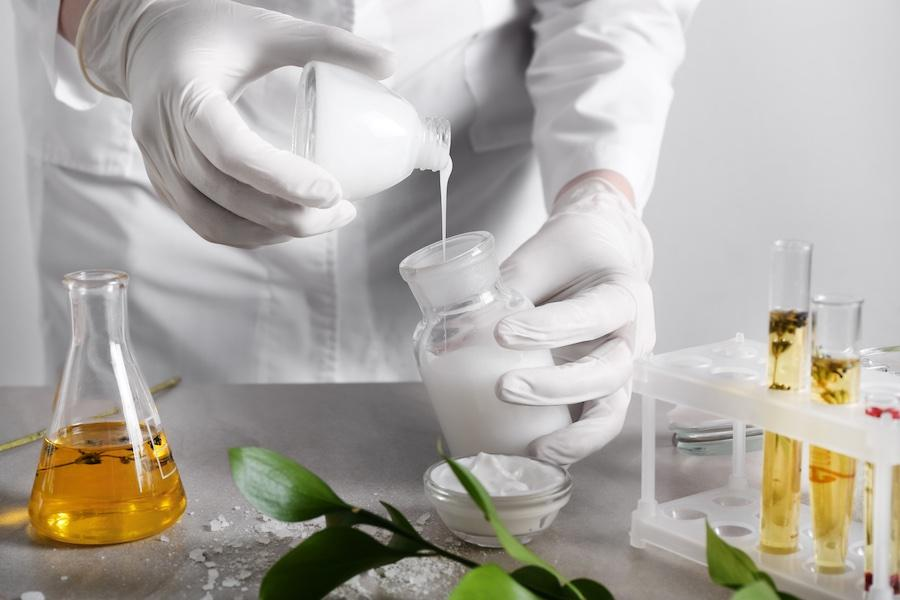
Two polysorbate 80 materials with identical INCI names can behave very differently in real production environments.
Professional buyers typically review peroxide value first, because elevated peroxide levels accelerate fragrance degradation and shorten product shelf life. Odor stability and clarity are also critical in transparent systems such as toners or micellar cleansers. Variability in these parameters often explains why a formula that worked during pilot testing becomes unreliable during scale-up.
Traceability documentation and impurity control data are equally important for export-focused brands. Regulatory familiarity with polysorbate 80 helps reduce registration risk, but that advantage only applies when the supplied material meets appropriate quality expectations.
Reliable suppliers therefore support formulators not only with material availability but also with technical documentation that helps maintain stability across repeated production batches.
Why Many “Natural Alternatives” Do Not Replace Polysorbate 80 Completely
It is increasingly common for brands to explore PEG-free or naturally derived solubilizers. In some systems these alternatives perform well. In others they introduce trade-offs that become visible only after stability testing or transportation.
Polysorbate 80 remains widely used because it balances several requirements simultaneously: predictable solubilization performance, compatibility with complex oil phases, stability across temperature variation, and global regulatory familiarity. When a formulation depends on all four factors at once, replacing polysorbate 80 often requires multiple supporting ingredients rather than a single substitute.
That is why even brands pursuing cleaner positioning strategies sometimes continue using polysorbate 80 in technically demanding formulations such as essential-oil toners or sunscreen-adjacent systems.
When Formulators Typically Decide to Add Polysorbate 80
In practice, the decision rarely begins with ingredient selection. It usually begins with a stability problem.
A fragrance system becomes slightly cloudy after transport simulation. A lightweight lotion separates after freeze-thaw testing. A cleansing water formula loses clarity after three weeks at elevated temperature. Situations like these often indicate that the existing emulsifier structure needs interface-level support rather than structural redesign.
Adding polysorbate 80 is frequently the simplest way to restore stability while preserving texture and sensory performance.
This quiet supporting role explains why the ingredient continues appearing in professional formulations even as ingredient trends evolve.
A Practical Perspective for Cosmetic Brands and Ingredient Buyers
Understanding what polysorbate 80 is should ultimately lead to a more useful question: whether it is the right stabilizing strategy for a specific formulation environment.
Brands working with fragrance-rich systems, essential oils, lightweight emulsions, or export-oriented regulatory frameworks often find that polysorbate 80 provides a level of predictability that is difficult to replace. When combined with consistent supplier documentation and stable batch quality, it becomes less a commodity surfactant and more a reliability tool inside the formulation process.
That reliability is the real reason polysorbate 80 continues to appear across modern cosmetic manufacturing—not because it is traditional, but because it works.