
Why So Many People Search “Retinol Before and After”
Most people don’t search for retinol before and after out of curiosity.
They search for it because their skin has reached a frustrating stage.
Fine lines are becoming noticeable. Breakouts take longer to heal. Skin tone looks uneven, no matter how consistent the routine is. You’ve tried hydrating serums, exfoliating acids, and “gentle” actives, but progress feels limited.
At that point, retinol keeps coming up.
Not as a miracle, but as something that might actually change how skin behaves over time.
What people really want to know is simple
Is it worth the irritation
Is the before-and-after difference real
And how long does it actually take
What Skin Usually Looks Like Before Starting Retinol
Before any visible retinol, before and after transformation happens, many users share very similar skin concerns:
- Dull or uneven texture
- Early fine lines, especially around the eyes or the mouth
- Recurrent acne or clogged pores
- Skin that reacts easily but doesn’t improve much
This doesn’t mean the skin is “bad.”
It usually means the skin’s natural renewal cycle has slowed down.
Retinol is often introduced at this stage because it works differently from surface-level hydrators or soothing products. It encourages the skin to renew itself more efficiently over time.
The Real Retinol Before and After Timeline
Retinol does not deliver instant results.
The changes happen gradually, and understanding the timeline helps prevent unnecessary frustration.
Weeks 1–2: The Adjustment Phase (Before)
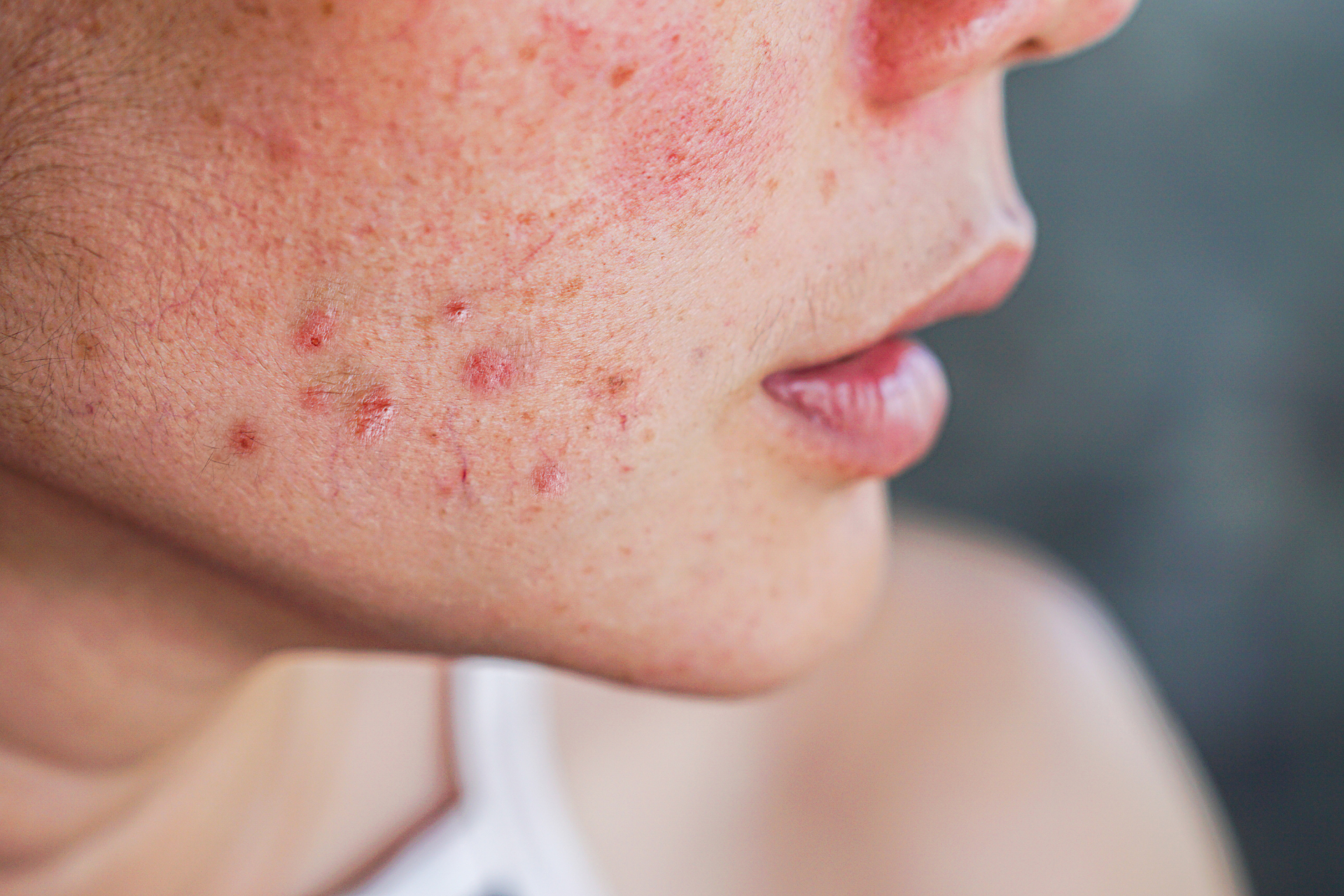

During the first couple of weeks, the skin is adapting.
Common experiences include:
- Mild tingling or sensitivity
- Dryness or flaking
- Temporary redness
This stage is often misunderstood. Many people stop here, assuming retinol isn’t suitable for them. In reality, this is when the skin is learning to handle a faster renewal process.
Weeks 3–4: Early Changes Begin


As the skin adjusts, visible irritation usually decreases.
At this stage, users often notice:
- Less flaking
- Smoother skin texture
- Faster turnover of breakouts
The difference may not be dramatic yet, but the skin often feels more balanced and less congested.
Weeks 6–8: Visible “After” Results Start to Appear

This is when most genuine retinol before and after comparisons are made.
Common improvements include:
- Fine lines appearing softer
- Pores looking smaller
- More even skin tone
The change isn’t sudden. It’s more like realizing your skin has been consistently better for a few weeks in a row.
After 12 Weeks: Long-Term Retinol Results
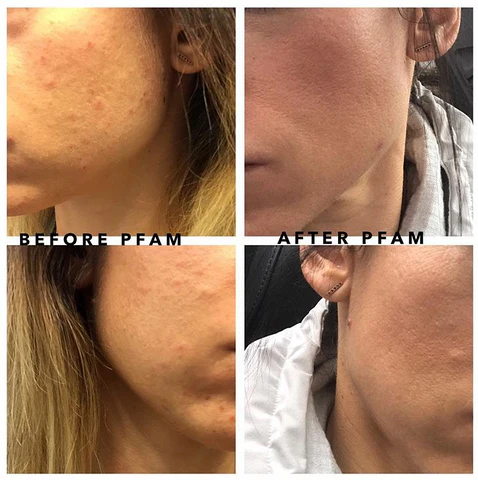
With continued, consistent use:
- Skin becomes more resilient
- Breakouts are less frequent
- Texture remains smoother with less effort
This is where retinol shows its long-term value. The skin doesn’t just look better temporarily. It behaves better overall.
Why Retinol Before and After Results Vary So Much
If you’ve seen dramatically different retinol results online, there’s a reason.
The biggest factors are:
- Starting with a concentration that’s too strong
- Using it too often too quickly
- Skipping moisturizer or sunscreen
- Expecting fast results
Retinol works best when introduced slowly and supported by a simple, protective routine.
Common “Before” Reactions That Aren’t Actually Failures
Some early reactions look alarming but are often temporary:
- Peeling does not always mean damage
- Short-term breakouts can happen as pores clear
- Mild redness is common during adaptation
What matters is whether discomfort improves with reduced frequency and better hydration.
What Stable Retinol “After” Results Usually Look Like
A realistic retinol before-and-after outcome is not flawless skin.
Instead, people notice:
- Fewer unexpected breakouts
- More even texture without heavy exfoliation
- Skin that recovers faster from stress
These changes are subtle but meaningful, which is why long-term users often stay consistent.
Frequently Asked Questions About Retinol Before and After
How long does it take to see results?
Most people see noticeable changes after 6–8 weeks, with stronger results after 12 weeks.
Is peeling normal at the beginning?
Yes, mild peeling is common during the adjustment phase.
Can sensitive skin use retinol?
Yes, but frequency and formulation matter more than strength.
Should retinol be used every night?
Not at first. Gradual use leads to better long-term results.
Why do some people see faster changes than others?
Skin type, routine consistency, and tolerance all affect results.
Can retinol be used long-term?
When used correctly, many people maintain results for years.
Final Thoughts on Retinol Before and After
The most trustworthy retinol before and after stories aren’t dramatic transformations.
There are quite a few improvements that add up over time.
Skin becomes more predictable. Texture stays smoother. Problems don’t escalate as easily.
If you’re patient and consistent, retinol often rewards you not with perfection, but with stability and long-term skin confidence.