

What is ascorbyl tetraisopalmitate, and why has it become one of the most respected forms of vitamin C in modern skincare?
Vitamin C has long been considered a gold-standard skincare ingredient. However, consumers in the US and Europe are increasingly aware of its limitations—instability, oxidation, and irritation being the most common. These issues have driven cosmetic chemists to develop more advanced derivatives, and among them, ascorbyl tetraisopalmitate stands out.
This article provides an in-depth, science-backed explanation of what ascorbyl tetraisopalmitate is, how it works in the skin, how it compares to traditional vitamin C, and why it is widely used in premium skincare formulations.
What Is Ascorbyl Tetraisopalmitate?
Ascorbyl tetraisopalmitate is a fat-soluble (lipophilic) derivative of vitamin C created by esterifying ascorbic acid with four palmitic acid chains. This structural modification dramatically alters how vitamin C behaves in skincare products and in the skin itself.
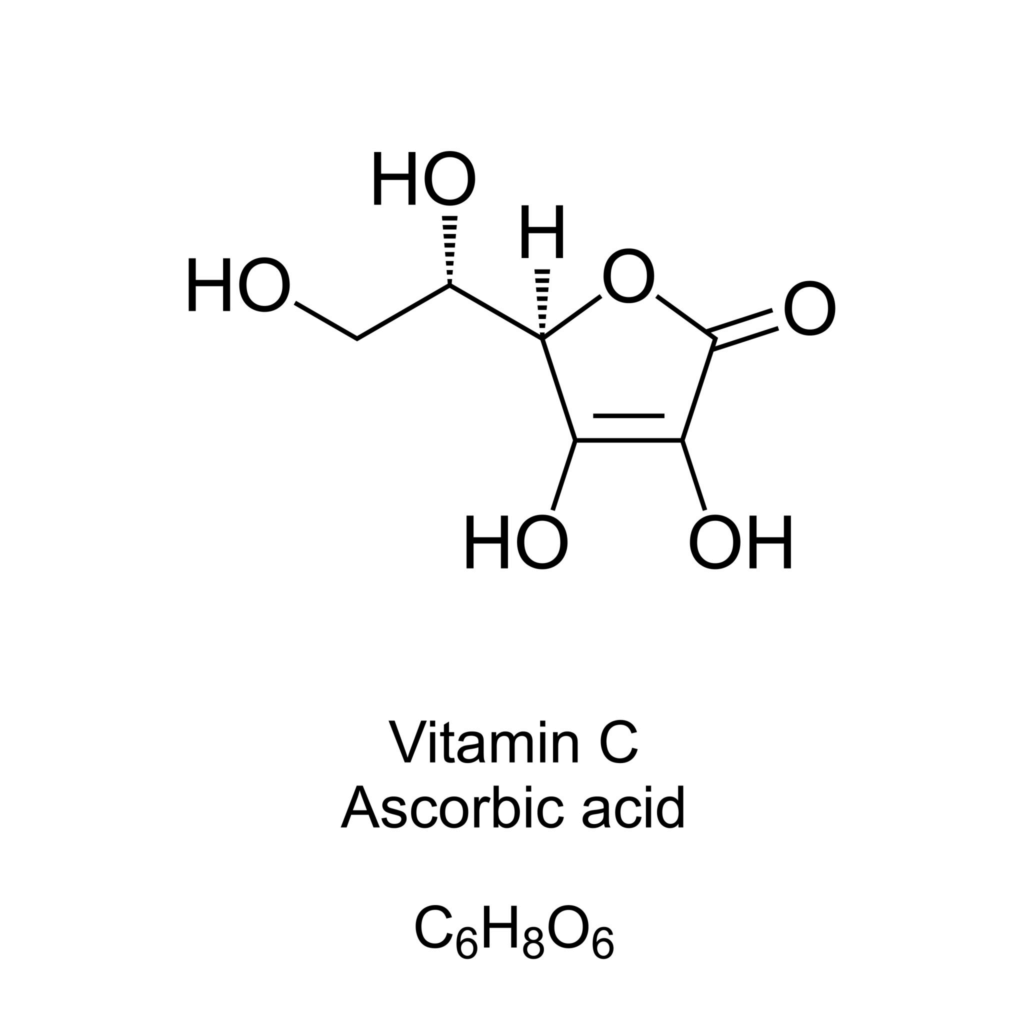
Unlike pure L-ascorbic acid, which is water-soluble and chemically fragile, ascorbyl tetraisopalmitate is designed to remain stable in cosmetic formulations while slowly converting into active vitamin C after skin absorption.
According to safety data reviewed by the Cosmetic Ingredient Review (CIR), this ingredient has been evaluated for topical use and is considered safe within current cosmetic concentration ranges—an important factor for brands targeting regulated markets such as the EU and North America.
Why Traditional Vitamin C Is Problematic in Skincare
To understand why ascorbyl tetraisopalmitate matters, it’s important to look at the limitations of pure vitamin C.
L-ascorbic acid:
- Oxidizes rapidly when exposed to air and light
- Requires a very low pH (around 3–3.5) to remain stable
- Commonly causes stinging, redness, or irritation
Research published in peer-reviewed cosmetic science journals has shown that once oxidized, vitamin C loses its antioxidant capacity and may even contribute to skin irritation.
This is why many dermatology-focused resources, including DermNet, emphasize that vitamin C derivatives are often more suitable for people with sensitive or compromised skin barriers.
The Importance of Stability in Vitamin C Formulations
Stability is one of the most critical factors in determining whether a skincare ingredient actually works.
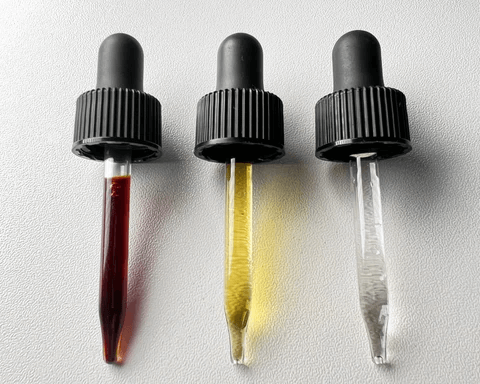
Studies discussed in the International Journal of Cosmetic Science highlight that ascorbyl tetraisopalmitate remains stable far longer than L-ascorbic acid under typical storage conditions. This means the ingredient is still active when consumers apply it weeks—or months—after opening a product.
From a formulation perspective, this stability:
- Improves shelf life
- Reduces the need for excessive preservatives
- Ensures consistent efficacy over time
For consumers, it translates into better results and fewer adverse reactions.
Oil-Soluble Vitamin C and Skin Absorption
Human skin is naturally lipid-rich, particularly in the stratum corneum. This makes oil-soluble ingredients especially effective at penetrating the skin barrier.
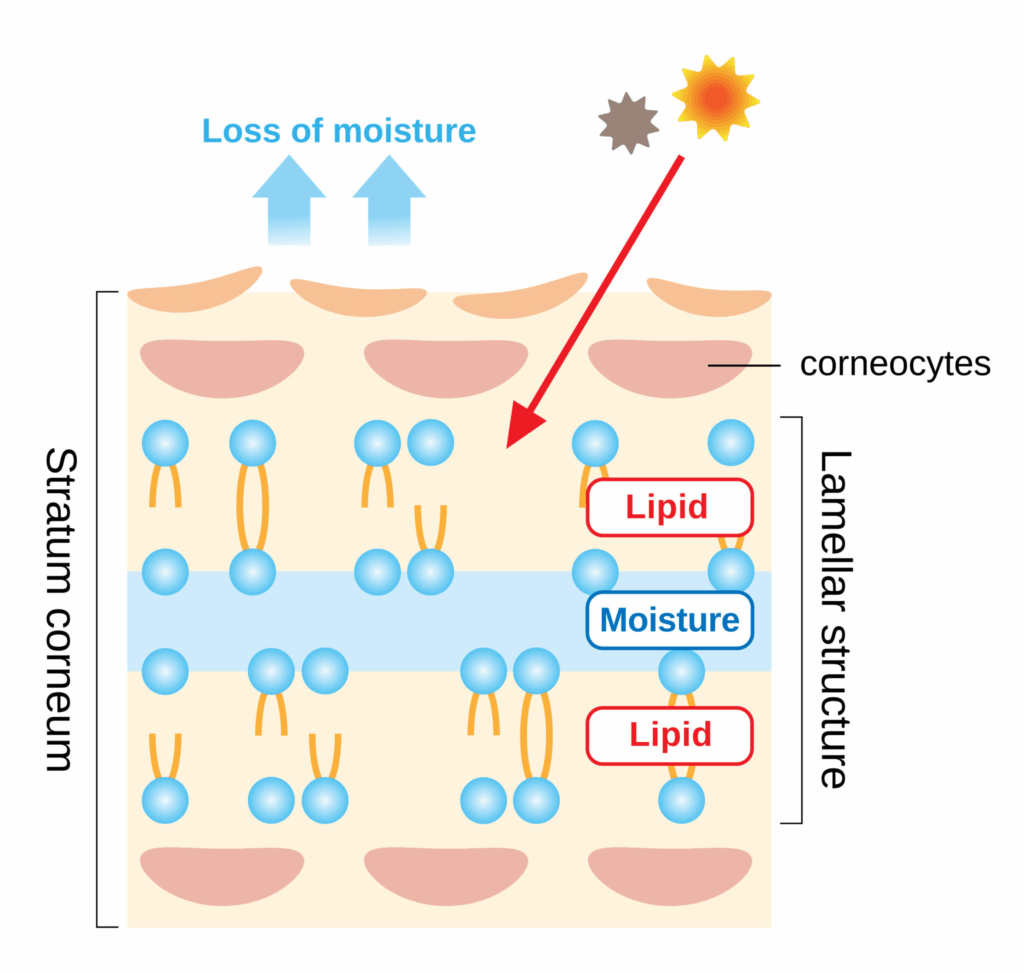
Ingredient research summarized in the Paula’s Choice Ingredient Dictionary explains that oil-soluble vitamin C derivatives can penetrate the skin more efficiently than water-based forms, without relying on an acidic environment.
Because ascorbyl tetraisopalmitate is lipophilic:
- It integrates more naturally with the skin barrier
- It penetrates deeper before conversion
- It provides a slower, sustained release of vitamin C
This gradual conversion is one reason it is often described as “gentle but effective.”
How Ascorbyl Tetraisopalmitate Works Inside the Skin
Once absorbed, ascorbyl tetraisopalmitate is enzymatically converted into free ascorbic acid within the skin. This allows it to perform the classic vitamin C functions without exposing the skin surface to harsh acidity.
Its biological activity includes:
- Neutralizing free radicals
- Supporting collagen synthesis
- Regulating melanin production
Because conversion happens gradually, the skin experiences less oxidative stress and irritation compared to direct application of pure vitamin C.
Key Skin Benefits of Ascorbyl Tetraisopalmitate
1. Antioxidant Defense
Environmental stressors such as UV radiation and pollution generate free radicals that accelerate skin aging. Like other vitamin C forms, ascorbyl tetraisopalmitate helps neutralize these molecules before they damage skin cells.
2. Skin Brightening and Tone Evenness
Vitamin C plays a role in inhibiting tyrosinase, an enzyme involved in melanin production. Over time, consistent use helps improve dullness, uneven tone, and the appearance of dark spots—a benefit widely discussed in dermatological literature.
3. Collagen Support and Firmness
Vitamin C is essential for collagen synthesis. Ascorbyl tetraisopalmitate contributes to improved skin elasticity and smoother texture, making it particularly valuable in anti-aging formulations.
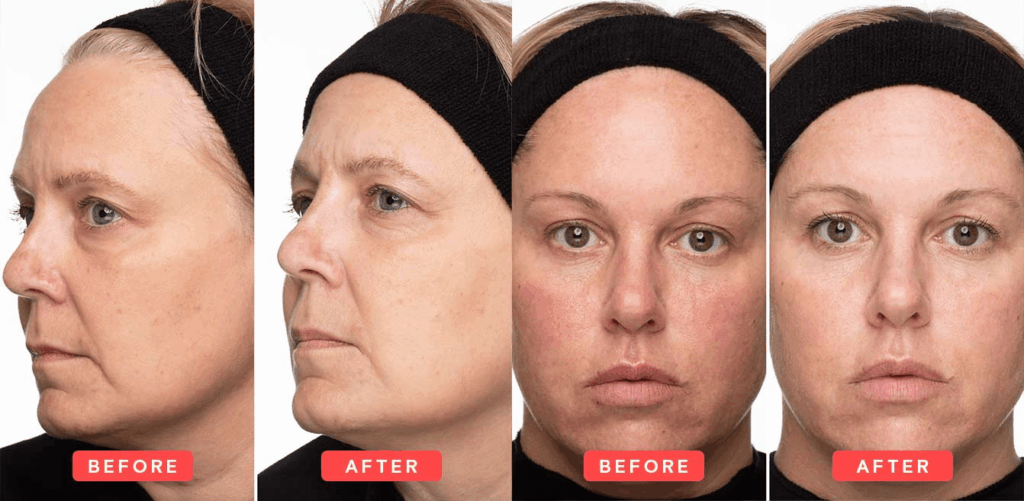
4. Improved Tolerability for Sensitive Skin
Unlike L-ascorbic acid, this derivative does not require a low pH, significantly reducing the risk of irritation, redness, or stinging.
Ascorbyl Tetraisopalmitate vs Other Vitamin C Forms
| Feature | L-Ascorbic Acid | Magnesium Ascorbyl Phosphate | Ascorbyl Tetraisopalmitate |
|---|---|---|---|
| Solubility | Water | Water | Oil |
| Stability | Low | Moderate | Very high |
| pH Dependency | High | Moderate | None |
| Irritation Risk | Higher | Low | Very low |
| Skin Penetration | Fast but shallow | Moderate | Deep and sustained |
This comparison explains why many premium brands choose ascorbyl tetraisopalmitate when formulating for sensitive or aging skin.
Where You’ll Commonly Find This Ingredient
Ascorbyl tetraisopalmitate is typically found in:
- Anti-aging serums
- Brightening facial oils
- Barrier-repair creams
- Luxury moisturizers
Its oil-soluble nature makes it especially suitable for anhydrous formulas and emulsions, which are increasingly popular in high-end skincare.
How to Use Products with Ascorbyl Tetraisopalmitate
Best practices include:
- Use once or twice daily
- Apply before moisturizer if serum-based
- Pair with sunscreen during daytime use
Because it is pH-independent, it layers well with ingredients like niacinamide, ceramides, and hyaluronic acid.
Our Approach to Ascorbyl Tetraisopalmitate
Building on the science behind what is ascorbyl tetraisopalmitate, we developed our own ingredient with a clear focus on stability, purity, and real-world formulation performance. Our ascorbyl tetraisopalmitate is carefully processed to ensure consistent quality and excellent compatibility with modern skincare systems, from emulsions to anhydrous formulas. Designed to deliver the benefits of vitamin C with enhanced skin tolerance, it supports brands and formulators seeking reliable, long-term results without compromising skin comfort.
Final Thoughts: Is Ascorbyl Tetraisopalmitate Worth Using?
If you’ve been asking what ascorbyl tetraisopalmitate is, the answer is clear:
it represents a next-generation approach to vitamin C skincare.
By combining stability, deep penetration, and excellent tolerability, ascorbyl tetraisopalmitate offers a solution for consumers who want visible results without compromising skin comfort—making it a cornerstone ingredient in modern, science-driven skincare.